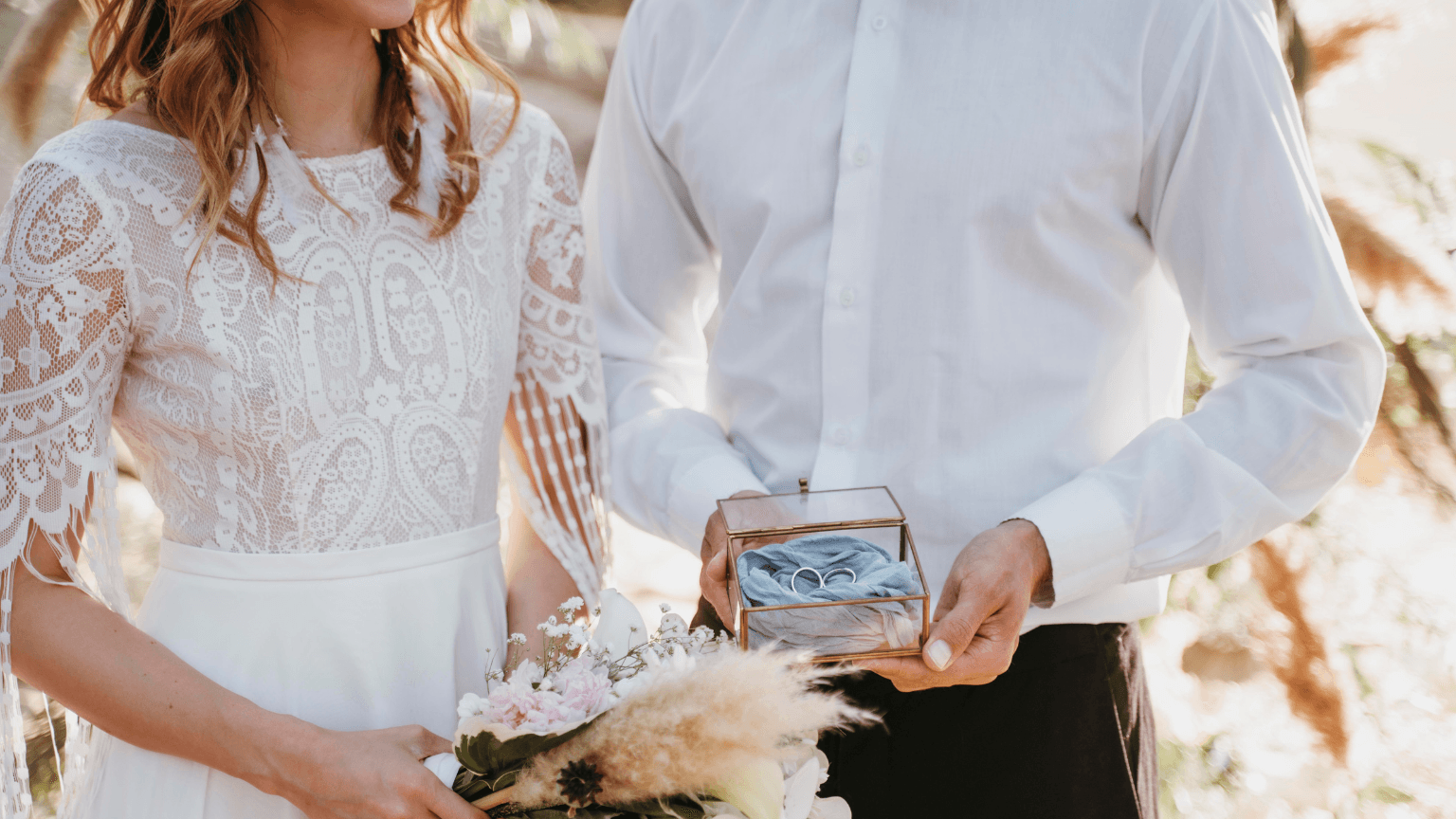
Justina Buterlevičienė, CEO of jewelry store GIVEN, says that engaged couples planning to marry this summer are already shopping for wedding rings. Most customers choose their rings a few months before the wedding, sometimes even earlier. Some take a very long time—after all, it’s a lifelong choice.
“More and more often, couples are opting for mismatched wedding bands. Brides especially tend to choose rings adorned with diamonds or other gemstones, while grooms go for something more modest. We see that couples typically spend around €500 to €1,500 for both rings,” she explains.
Buterlevičienė notes that paying for wedding or engagement rings in installments using a leasing service is becoming increasingly popular—especially among young couples who want high-quality, luxurious jewelry without paying the full price upfront. Neringa Dulkinaitė, Regional Head of Sales at Inbank in Vilnius, adds that data shows couples aged 25–35 are the most frequent users of leasing services as they actively plan their weddings.
Peak Season: July and December
According to Dulkinaitė, while wedding ring shopping starts in spring, the highest volume of jewelry purchased on lease is recorded in July and December—likely tied to both the peak wedding season and holiday proposals.
Although Inbank does not track whether men or women are more likely to purchase wedding bands, general data suggests couples typically buy them together, with leasing decisions often made jointly. However, statistics indicate that women aged 26 to 40 are more likely to buy jewelry on installment overall.
A notable portion of customers using leasing services are aged 56–70. “Of course, this includes more than just wedding rings, but we can’t rule out that some are parents wanting to contribute to their children's wedding by purchasing symbolic jewelry for them,” says Buterlevičienė.
Where Do Newlyweds Spend the Most?
Marta Lenktaitė, head of the wedding planning company Marubella, is organizing more weddings than usual this year—33 in total. She notes that couples rarely scrimp on their weddings and often don't have a strictly defined budget: “The saying ‘appetite grows while eating’ really applies here—usually, the original wedding budget increases as couples expand their desires. Of course, there are smaller, intimate weddings with modest budgets, but those are less common.”
Lenktaitė advises clients to allocate their wedding budget based on personal priorities. Typically, the biggest expenses go toward the venue and catering. Couples also like to invest in memories, generously paying photographers, emcees, and musicians.
A Few Tips for Financing the Celebration
The planner adds that most couples prefer to pay for their wedding themselves, with parents contributing symbolically—for example, covering the bride’s dress or the evening entertainment. Many couples save in advance, but it's hard to say if they fund everything from savings alone. “Money is a very personal topic. We don’t know if any of our clients took out a loan for their wedding,” she says.
Kamilė Dijokaitė, Head of Loan Product Sales at Inbank, confirms that the bank sees growing interest in wedding loans as the season approaches. While there is no specific data on which celebrations loans are used for or their sizes, she shares a few tips for those considering the option:
“First, look at your monthly income before taking a loan. A general rule is that the total amount of all loan payments should not exceed 40% of your income. To avoid financial strain, consider taking a loan for a longer term to keep monthly payments low.
Whether you're taking a loan for your wedding or something else, always pay attention not only to the interest rate and fees, but also check whether early repayment options are available,” advises Dijokaitė.
According to the national statistics agency, a total of 13,307 marriages were registered in 2024.