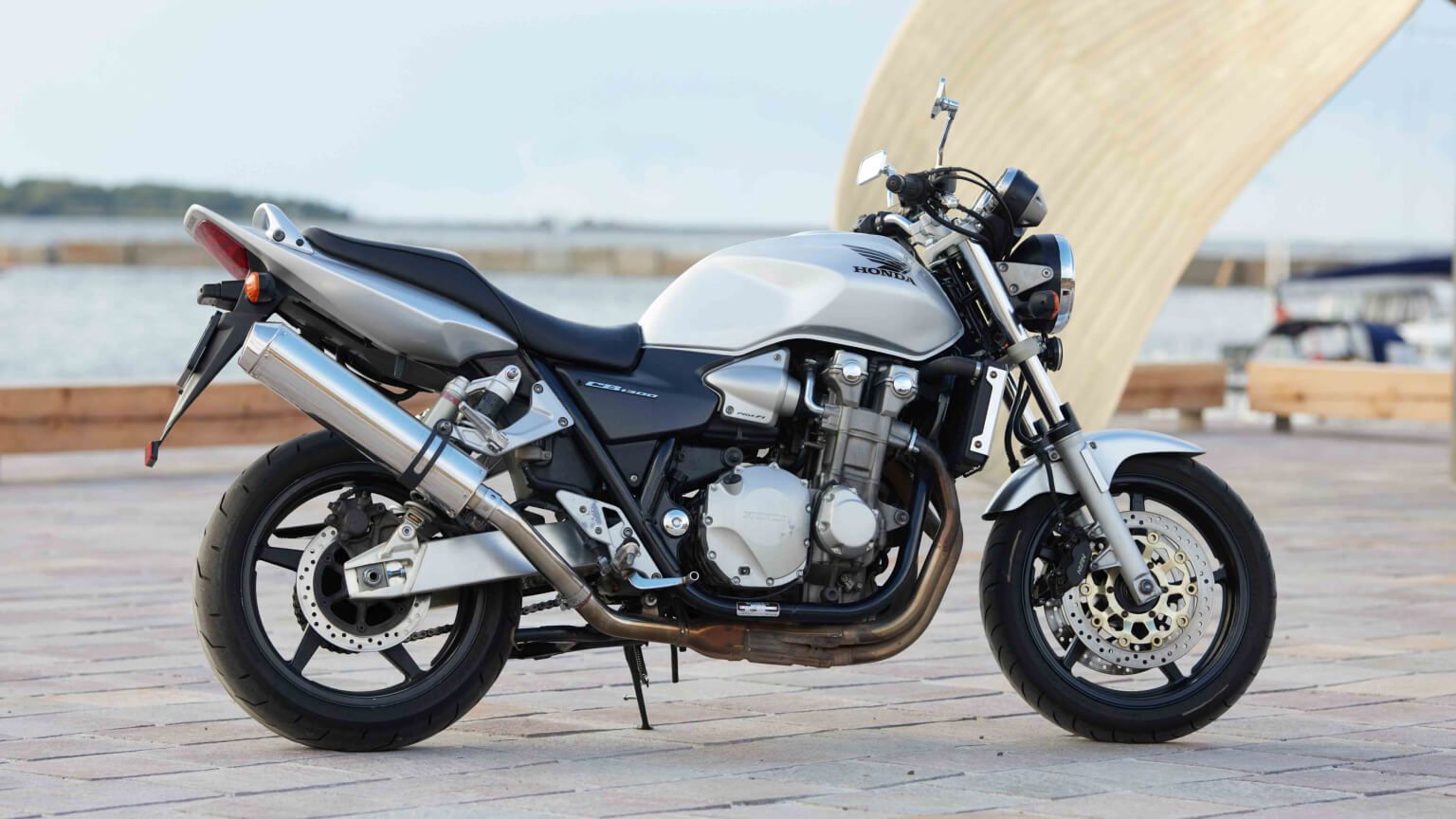
Buying New – Without Even Seeing It
When searching for motorcycles or ATVs, more buyers are choosing new vehicles. Kevin Gracholski, head of the motorcycle and ATV store Kmoto, says that people want peace of mind, safety, and clear service conditions: "Everyone wants to enjoy the ride, not worry about maintenance. Our motorcycle season is shorter than in Southern Europe, so buyers increasingly prefer a new vehicle from the start."
The key benefits, according to Gracholski, include a wide variety of models, the option to test them out, and the possibility to finance the purchase.
Donatas Mickus, Head of Sales at fintech company Inbank, agrees: "Lithuanians are increasingly choosing leasing to finance motorcycles. We’re seeing more deals completed online, with customers making decisions quickly and often without visiting a dealership – meaning they haven’t even seen the motorcycle in person. About 40% of purchases happen this way."
Used Doesn’t Always Mean Cheaper
Inbank data shows that ATVs are the most commonly financed vehicles due to their versatility for both work and leisure. Interest in used motorcycles remains high, especially for sport and road models, which are more often bought second-hand. "These purchases are often financed via consumer loans rather than leasing," notes Kamilė Dijokaitė, Head of Consumer Loan Sales at Inbank.
According to Gracholski, used motorcycles can be tricky to assess: "Internal defects are not always visible, so evaluating the technical condition, spare parts availability, and workshop capacity is crucial." In the long run, used bikes are not always cheaper: "Repair costs may outweigh initial savings, and Lithuania’s motorcycle parts market isn’t as developed as the car market. We’re also seeing the price gap between new and used bikes shrink – in some cases, it’s so small that buyers don’t even consider used ones."
Who Finances Motorcycle Purchases?
Gracholski notes that brand preference isn’t as important as the reputation of the local distributor: "All brands can experience technical issues – what matters is how quickly they’re resolved."
According to Inbank, the typical motorcycle buyer is a man aged 26–40, earning up to €1200 per month: "For them, it’s a planned purchase, and leasing allows for cost-spreading without a heavy financial burden. 4 out of 5 buyers are men, but female interest is gradually increasing too," says Mickus.
Motorcycle buyers are spread across Lithuania, though ATV purchases are more common in smaller towns and rural areas.
Leasing or Loan – Which One’s Better?
While leasing is more common for new motorcycles and ATVs, consumer loans are becoming popular for used purchases – especially between individuals. "Consumer loans are also chosen for new motorcycles when flexibility is needed or leasing isn't an option," says Dijokaitė.
"Leasing is more typical for new bikes, and consumer loans – for used. In general, car loans (which apply to any vehicle) offer more freedom. You can choose either a new or used motorcycle, and the process is simple: fill out an application with no strict conditions."
She adds that a consumer loan can also cover repairs, seasonal preparation, or essential gear like helmets or protective clothing. "When choosing financing, it’s vital to assess your income. Loan payments should not exceed 40% of monthly income. You should also consider early repayment options and any additional fees."
Gracholski concludes: "If your finances and maintenance needs are properly evaluated, both new and used motorcycles can be excellent choices."