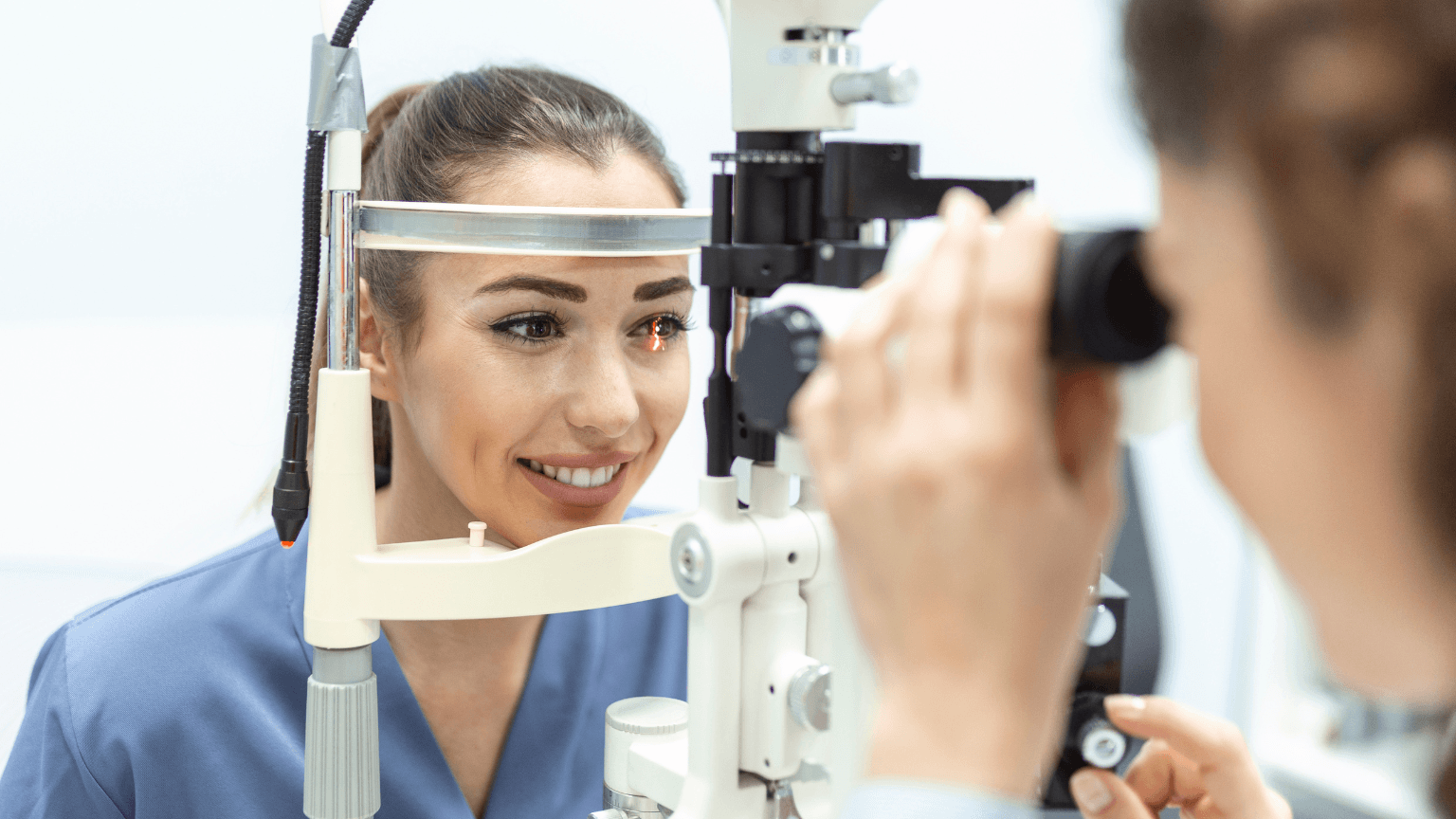
In Lithuania, 24.6% of the population faces significant vision problems that complicate daily life, while approximately 253 million people worldwide suffer from vision impairments. Although many opt for glasses or contact lenses, an increasing number of people are considering a long-term solution—laser eye correction. Its popularity is rapidly growing, with the number of laser surgeries increasing by approximately 7.7% annually.
In Lithuania, laser eye correction is gaining interest, but myths and misinformation create confusion for patients. Frequently asked questions include whether the procedure is painful, how long the recovery takes, and if the results are lasting. Ophthalmologist and eye microsurgeon Simona Stech from Hila | Medical Diagnostics and Treatment Center emphasizes that these concerns often stem from outdated (inaccurate) information, a lack of knowledge, or subjective opinions from acquaintances.
Dr. Stech highlights that many misconceptions persist, such as the belief that the procedure is only suitable for younger people or that it is extremely painful. According to her, modern technology achieves reliable and long-lasting results even for higher degrees of myopia or astigmatism, ensuring comfort and improved quality of life for patients of all ages.
When Should You Consider Laser Eye Correction?
Laser eye correction effectively treats myopia and varying degrees of astigmatism. Dr. Stech strongly recommends the procedure for those whose vision impairments cause daily inconveniences, such as drivers who experience distorted or blurred reflections from streetlights and traffic signals at night due to astigmatism. Many individuals with myopia also struggle with poor vision in both bright and dim light, and laser correction can eliminate these issues.
However, Dr. Stech notes that the procedure is not suitable for everyone. “It is not recommended for individuals with extremely thin corneas, existing eye diseases, or for pregnant and breastfeeding women, as hormonal changes can affect vision stability,” she explains.
Laser correction is available for individuals aged 18 and older whose vision has been stable for at least a year. While laser correction is most commonly advised for younger patients, it can also benefit people of various ages who wear glasses for myopia or astigmatism and have no changes to the eye lens.
The procedure is typically performed when myopia ranges from -0.5 to -8 or -9 diopters, but every case is assessed individually based on corneal thickness and other eye characteristics.
How Does Laser Eye Correction Work?
According to Dr. Stech, the vision correction process begins with a comprehensive consultation, during which the condition of the eyes is evaluated, including the degree of myopia or astigmatism, corneal thickness, and other individual factors. This helps determine the most suitable correction method and ensures optimal results. “The laser targets a very thin layer of the cornea, altering the refractive angle of light to make the image on the retina sharp,” she explains.
The procedure itself takes only a few minutes, and advanced technology ensures precision and safety by tracking and compensating for eye movements in real time. As a result, the procedure is highly accurate and safe.
Most patients notice improvements immediately after the procedure, and recovery typically takes just a few days. “Patients often report minor discomfort or tearing and even say that dental procedures feel more unpleasant than this surgery,” notes Dr. Stech.
When considering laser eye correction, it’s essential to evaluate your motivation and expectations and choose a reputable clinic and specialist. “Proper preparation and an experienced specialist will ensure that the procedure is safe and the results are satisfying,” Dr. Stech concludes.
Installment Payments in Healthcare Are Gaining Popularity
Donatas Mickus, Head of Sales at Inbank, observes that the option to pay for medical services in installments is becoming increasingly appealing to Lithuanians, allowing them to choose more expensive treatments without facing sudden financial burdens or delaying care. “Although the average financed amount for medical services has decreased from €3,412 to €2,441 over the past year, the number of financing agreements has risen by 47%. This indicates that more people are using installment payments to take care of their health and that of their loved ones,” says Mickus.
He also emphasizes that paying in installments is not exclusively for those with low incomes. “Our data shows that this is not necessarily true. Medium- and high-income individuals now make up 62% of all financing recipients. This demonstrates that this financing method is becoming acceptable to people across various income levels,” he adds.
An interesting trend is also observed among age groups: younger patients (26–40 years old) tend to choose smaller financed amounts, averaging €2,017, while those over 56 years old often opt for larger amounts, averaging €4,103. Women account for 86% of leasing recipients, borrowing an average of €2,232, while men prefer higher sums, averaging around €3,612.
About Inbank
Inbank is a financial technology company with an EU banking license that connects merchants and consumers by offering next-generation financing solutions. Operating in the financial sector since 2010, Inbank collaborates with over 6,100 merchants and provides leasing, consumer loans, and deposit services in Lithuania, Estonia, Latvia, Poland, and the Czech Republic. It also accepts deposits from Germany, Austria, Finland, and the Netherlands. Inbank bonds are listed on the Nasdaq Tallinn Stock Exchange.