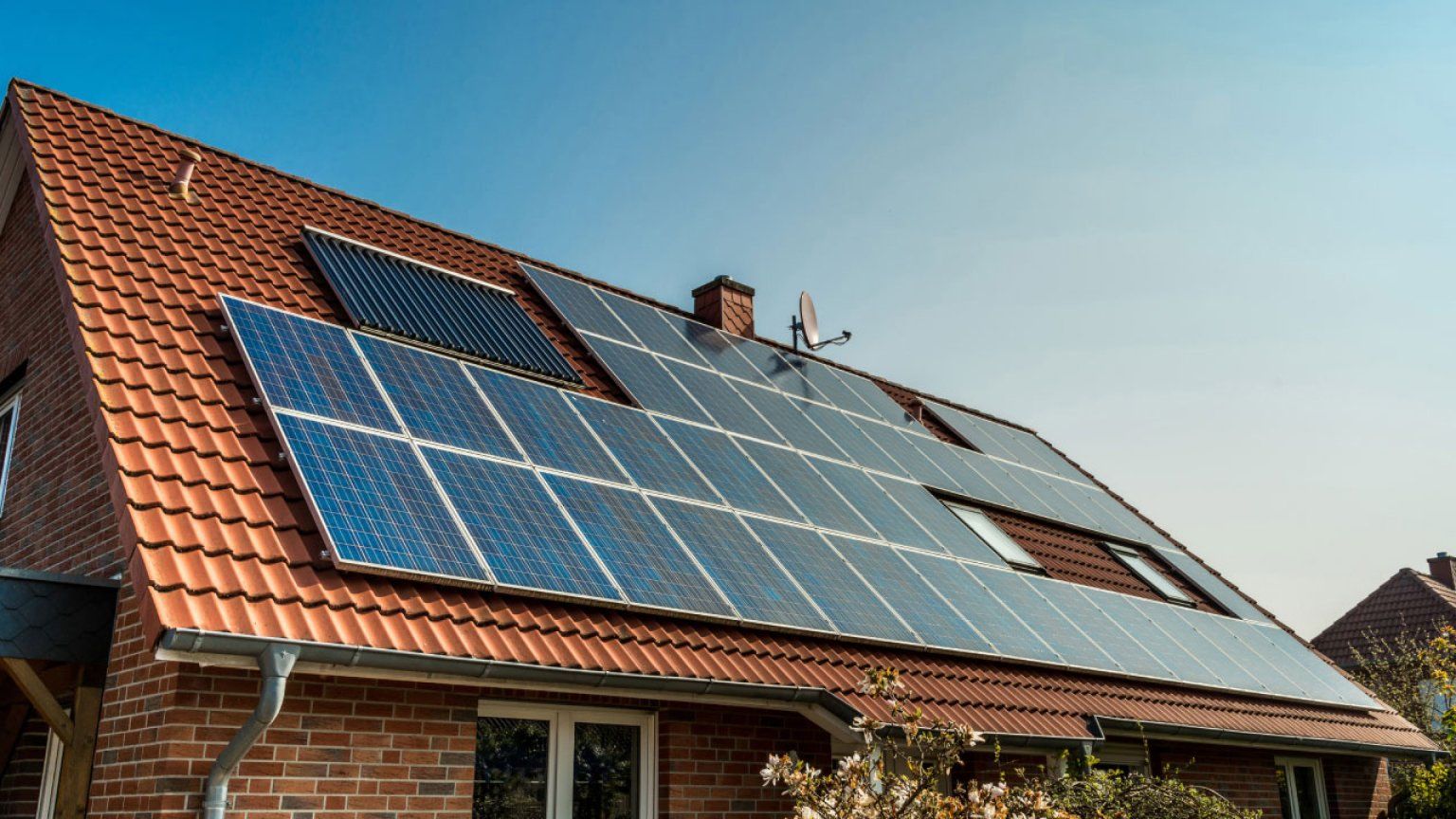
At the same time, solar power plants are also becoming an increasingly popular choice in Lithuania, but the potential of this technology has not yet been fully exploited. Although Europe is moving steadily towards renewable energy, some Lithuanian residents are still hesitant about the return on investment, are waiting for state support, or simply do not know where to start. Nevertheless, technology is advancing rapidly, solutions are becoming more accessible, and fluctuating energy prices are increasingly encouraging the search for long-term and sustainable alternatives.
As Dominykas Katilius, director of VEESLA, a company offering renewable energy solutions, notes, solar energy can be not only a source of electricity, but also a way to become independent of market fluctuations: "Our experience shows that people are increasingly interested in solar power plants, not only in cities but also in communities of gardeners. So there is certainly a lot of room for growth."
How to properly prepare for a solar power plant?
Every successful project begins with proper preparation. A solar power plant is no exception. As D. Katilius' experience shows, sleds need to be prepared in the summer: "Last winter showed that we could install solar power plants practically throughout the entire winter. If you want to have a solar power plant, we recommend that you first obtain the ESO conditions and, most importantly, choose a reliable partner."
He says that you should also assess the energy efficiency of your entire home – perhaps it is time to upgrade your heating system, e.g. install a heat pump, or, in order not to waste Lithuania's sunshine, install an energy storage device. These solutions significantly increase your comfort, so the payback period for a solar power plant would be even shorter. Preparing before the sunny season allows you to start without stress.
Donatas Mickus, head of the sales team at Inbank, a bank that offers leasing options for solar power plants and energy storage systems, notes that residents have become increasingly interested in solar power in recent years. "Solar power plants and energy storage systems are most often chosen by residents aged 41-55. This age group has remained the most active for several years, but since 2025, we have seen growing interest among older customers, aged 56-71, in the possibility of purchasing solar power plants in installments," says Mickus.
He also points out that although installing solar power systems in homes is traditionally considered a male domain, Inbank data shows that as many as 40% of contracts for these services are taken out by women. Currently, the average amount financed is €5,300, and the average amount increases by at least several hundred euros each year.
When choosing a solar power plant, the most important thing is to find the right location for the modules
Although experts recommend paying attention to the direction, slope, and lack of shade of the roof, not every roof direction has to be ideal for a solar power plant to operate efficiently. "We have installed power plants on north-facing roofs, and the energy generated at the end of the month was a pleasant surprise," says D. Katilius.
Today's technology allows solutions to be adapted even to more complex conditions. If the roof of a building is not suitable, a solar power plant can be installed on the ground. And if there are shadows around, special optimizers help solve the problem. There is no such thing as a bad roof for a solar power plant, only improperly selected equipment. Each situation is unique, so before making a decision, it is worth consulting with specialists who will objectively assess the conditions and offer the most suitable solution.