All boilers powered by fossil fuels must be serviced at least monthly or weekly. Depending on the quality of the fuel, a heating element may need to be serviced as often as once a week. Fireplaces, stoves and wood-burning boilers must also be serviced weekly during the heating season, and regular chimney sweeping can be included in the maintenance. Heating elements are often not serviced for years, and then people are surprised when the bills keep getting bigger. There is a direct link between the regularity of maintenance and the size of heating bills, which should not be underestimated.
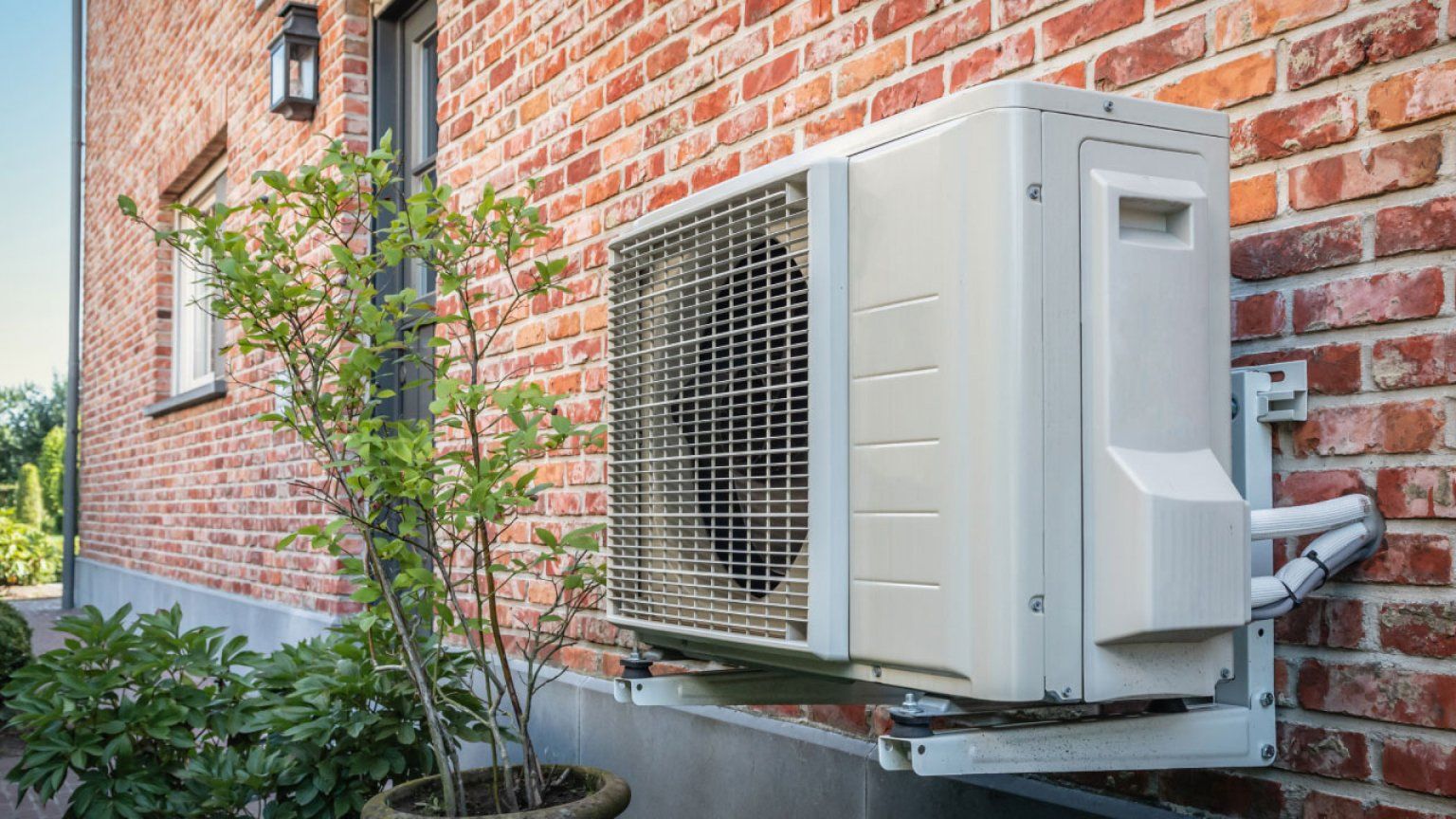
The only solutions that don’t require getting fuel every year are heat pumps or systems based on gas heating, as well as district heating. For all other solutions, such as fireplaces or pellet, diesel, coal and wood-burning stoves, time and money must be invested every year to ensure that the necessary fuel or heating material is available. Boilers and heat pumps are only one part of a complete heating system – the design of the rest of the heat transfer system, be it radiators or underfloor heating, plays a major role. It’s important to make sure that the heat reaches the heating system without loss and that the system can transfer it efficiently.
In older radiator heating systems, limescale is often the problem that restricts the flow of water and thus the transfer of heat to the system. If you don’t want to replace the whole system, it’s always possible to flush it, which improves water flow. In the case of underfloor heating, it’s important to check how the pipework is coiled under the floor and that the floor is adequately insulated at the bottom.
In order to replace the heating system, it’s worth considering the financing options through offered by the bank. The investment can pay for itself rather quickly, as energy savings of up to 30% can be achieved by renovating the heating system.